
Someone is coming over, and suddenly you can see your home through a different pair of eyes.
The mail on the chair. The shoes by the door. The coffee table that has somehow become a storage shelf.
It is tempting to decide the whole place needs work. Then you start imagining new cushions, a better rug, maybe a different sofa. Meanwhile, your guest is probably hoping for somewhere to put a bag and a comfortable place to sit.
That is the idea behind the guest-room effect: give a few everyday spaces the small comforts you would appreciate when staying somewhere else. You do not need an actual guest room. A little thought can make a living room, kitchen table, or spare corner feel ready for company.
Start where your guest will arrive

Walk through your front door carrying a bag. Where would you put it? Is there room to take off a coat? Can you get to the seating area without stepping around things?
Clear that first stretch before worrying about the rooms nobody will use. Move the package waiting to be opened. Make space on a hook or offer a chair for a coat. If you ask people to remove their shoes, let them know where the shoes should go.
You do not need to create a decorated entryway. An obvious place for someone’s belongings can do more than a new arrangement of flowers.
If a guest has mobility needs, ask what would make the visit easier before they arrive. A clear path is useful, but it does not tell you whether your doorway, steps, or seating will work for that person.
Make one seat ready for a person

Look at the chair you would offer first. Remove the laundry, extra cushions, or collection of bags. Sit in it yourself for a minute.
Can you put both feet comfortably down? Is there somewhere within reach for a drink? Does a bright light shine straight into your eyes?
These little checks give you something practical to change. Move a small table closer. Switch on a lamp. Put a cushion nearby so the guest can choose whether to use it.
Offer a choice of seats where you can. A low sofa may suit one person while another would prefer a firmer chair with arms. You do not have to guess correctly; you can simply ask, “Where would you be most comfortable?”
The room can still look like your room. Books, family photographs, and the things you enjoy belong there. The useful change is making space for another person among them.
Put the basics where people can find them
Guests often spend the first few minutes figuring out what they can ask for. Water? A bathroom? Somewhere to charge a phone?
Make the easy things easy. Offer water soon after they arrive. Point out the bathroom. Put out a clean hand towel and make sure there is toilet paper within reach.
If someone will be working or staying longer, offer the Wi-Fi details if you are comfortable sharing access. You can use an existing guest network if your router already has one set up. There is no need to display your household password where every visitor can photograph it.
A quick sentence is usually enough: “The bathroom is just down the hall, and help yourself to water.” That gives people useful information without making their arrival feel like a tour presentation.
Keep food and drinks simple
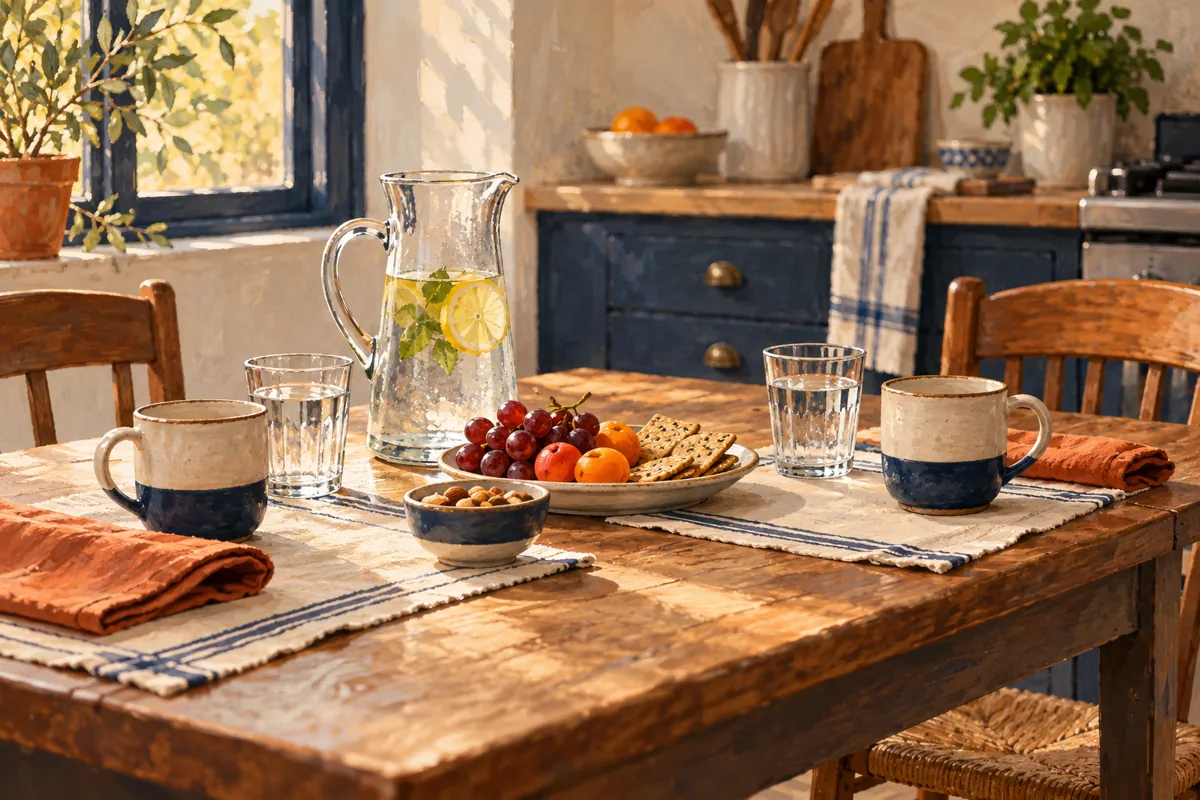
You can welcome someone without producing a full meal. Tea, coffee, water, or a small snack may be plenty for the visit you have planned.
If you are serving food, ask ahead about allergies and dietary needs. Keep packaging or ingredient information available when it would help, and let the guest tell you what works for them.
Use the cups and plates you already have. Clear enough table space for people to set things down without balancing a mug on top of a magazine.
For a longer visit, say what you have in mind: “I thought we could have coffee, then get lunch later.” It is easier for everyone when the plan is clear. Nobody has to wonder whether the crackers are a snack or dinner.
And if your guest offers to bring something, give a straightforward answer. Accepting a loaf of bread or a favorite drink does not make you a less thoughtful host.
Notice light, sound, and scent
A welcoming room should be comfortable to spend time in, not just pleasant to photograph.
Try the room’s lighting before your guest arrives. A table lamp may feel better than a bright overhead light, but keep enough light for people to move around and see what they are doing.
Turn down the television or music so conversation does not require raised voices. Ask about the temperature rather than assuming everyone feels the same way.
You can also skip the scented candle. Fragrance preferences vary, and some guests find strong smells uncomfortable. A clean room does not need a new scent to announce itself.
If you have pets, tell visitors ahead of time. Ask about allergies or comfort around animals, and agree on a workable arrangement. The best preparation starts with the people who are actually coming over.
For overnight guests, leave a little empty space

A spare room is useful, but so is a carefully prepared sofa bed or other sleeping arrangement that your guest has agreed to.
Set out clean bedding and a towel. Leave room for a bag and a small clear surface for glasses, a phone, or a book. Show the guest where to find a light switch and an outlet; avoid running a charging cable across the walkway.
Ask whether they need an extra blanket. Explain anything that is hard to guess, such as a tricky door lock, where breakfast things are kept, or when the household usually gets up.
The small kindness is removing uncertainty. Someone should not have to search every cupboard for a glass at midnight or wonder whether they are allowed to make coffee in the morning.
You can be clear about your own routines, too. “I leave early, but please help yourself to breakfast” is useful information, not an apology.
The ten-minute version
If company is nearly at the door, choose a short reset instead of starting a deep clean:
- Clear the path from the entrance to the seating area.
- Make room for a coat or bag.
- Clear one comfortable seat and a place for a drink.
- Check the bathroom basics.
- Put water and glasses somewhere easy to offer.
- Adjust the lights and turn down background sound.
Use whatever time is left to finish getting yourself ready. You are part of the welcome, too.
Leave room for an ordinary visit
There will probably still be a drawer you would rather nobody opened. The kitchen may need attention again after coffee. Someone might sit in the chair you did not prepare.
That is fine. A home does not have to stop being lived in because somebody is visiting.
The guest-room effect comes down to noticing small moments: arriving with full hands, looking for a glass of water, needing a light beside the bed. Make a few of those moments easier, then sit down and enjoy the company.
More from Mhageer: The One-Stop Weekend: Why One Good Outing Is Enough · A Rainy Day in Atlanta
The pictures in this article are AI-generated editorial illustrations of imagined home settings.